State what the laboratory work should answer
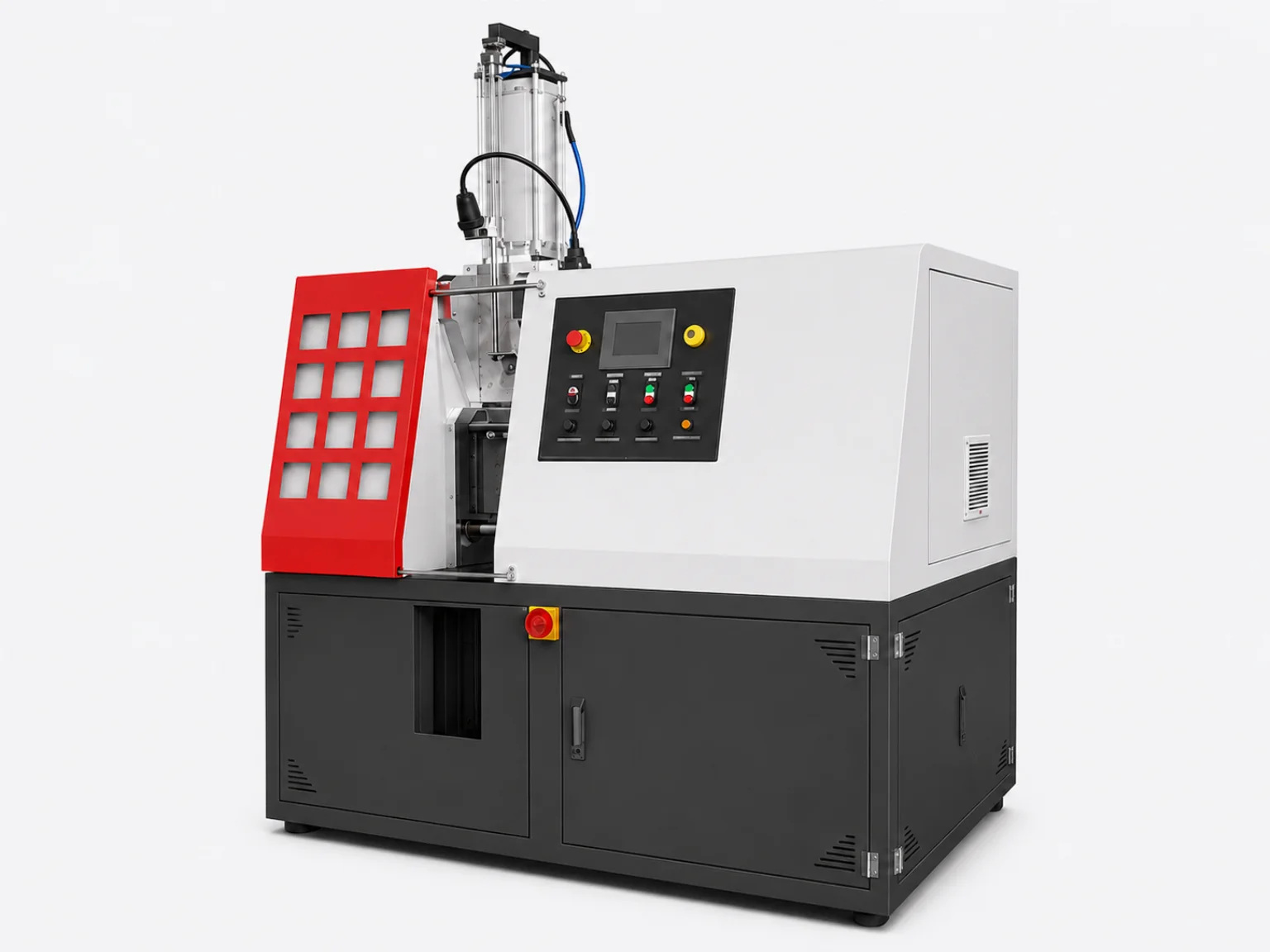
Laboratory mixing may support formulation work, comparison or quality evaluation. Define the question, the available sample and the information you need to record. A useful test plan starts with the intended decision rather than the smallest available machine.
Keep the production context visible
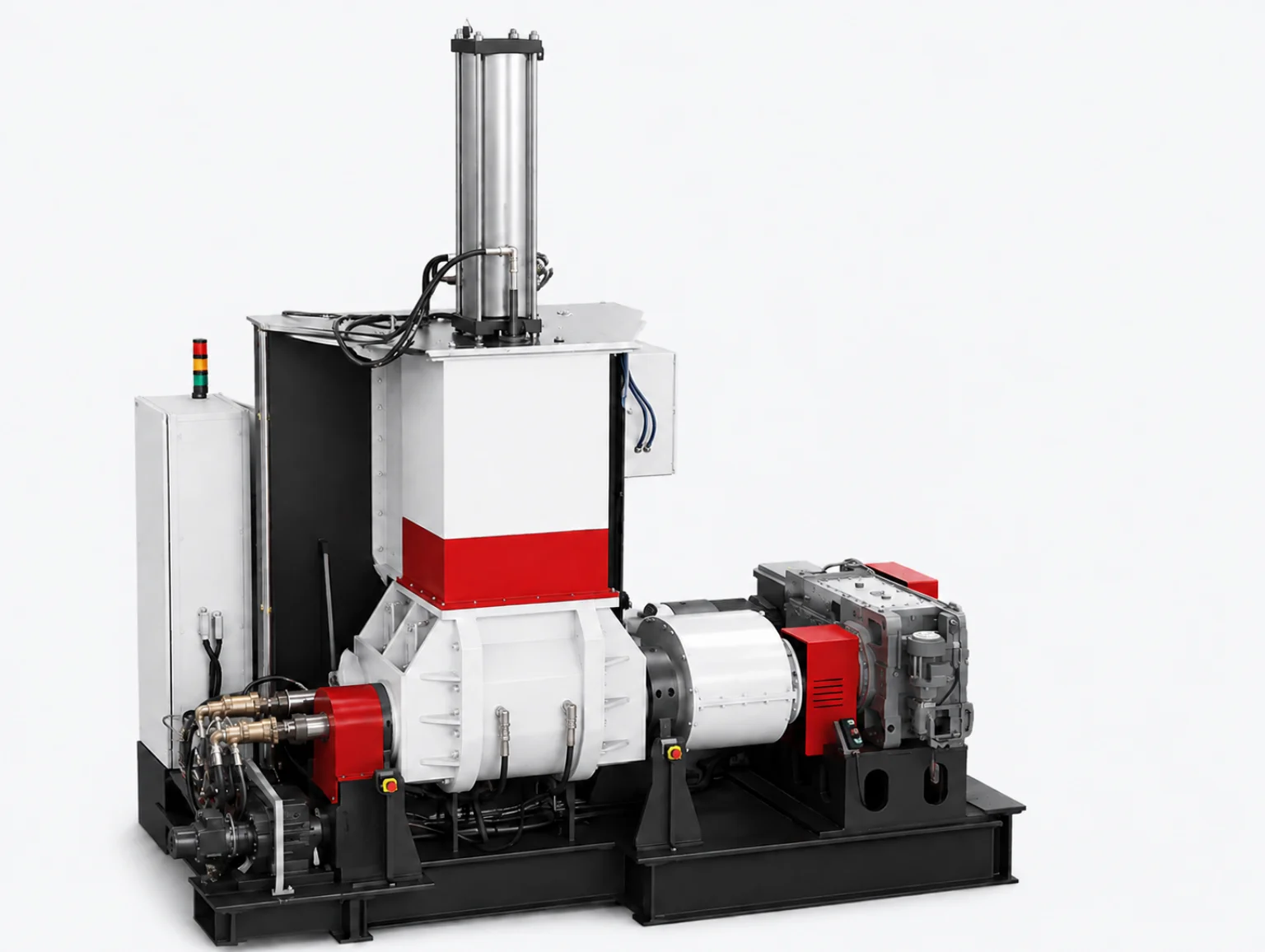
Identify the production technology the laboratory work should relate to. Record the intended material sequence, operating conditions and comparison criteria. Laboratory observations provide project input, but they do not by themselves establish the capacity or performance of a production installation.
Prepare the next-stage review
Share the test objective, recorded observations and target production needs together. WHITE can use this context when discussing laboratory and production equipment families. Any scale-up or verification scope is defined separately, with the required evidence and acceptance criteria agreed for the project.
Keep a transferable test record
A useful record explains what was tested and what the observation means. Capture the sample identification, test objective, equipment reference and conditions recorded during the work. Separate observed results from interpretations and from questions that require another trial.
When preparing the production discussion, organize the record around:
- The question the test was intended to answer.
- The material and sample identification.
- The equipment and recorded conditions.
- The observations and comparison criteria.
- The differences still to be reviewed at production scale.
The aim is not to collect every possible signal. It is to retain enough context for another team to understand the work and assess its relevance.
Use the result as an input, not a shortcut
An illustrative project may demonstrate an interesting formulation in the laboratory while still having unanswered questions about production handling, cycle sequence or downstream equipment. Those questions remain part of the production project even if the laboratory result is encouraging.
Before requesting production equipment, write down what has been demonstrated and what has not. Discuss the proposed verification steps and acceptance basis with the responsible teams. Where digital records are useful, define the required data and permissions alongside the equipment. This keeps laboratory work, engineering decisions and production requirements connected without claiming that one scale automatically proves another.