Rolls and working surfaces
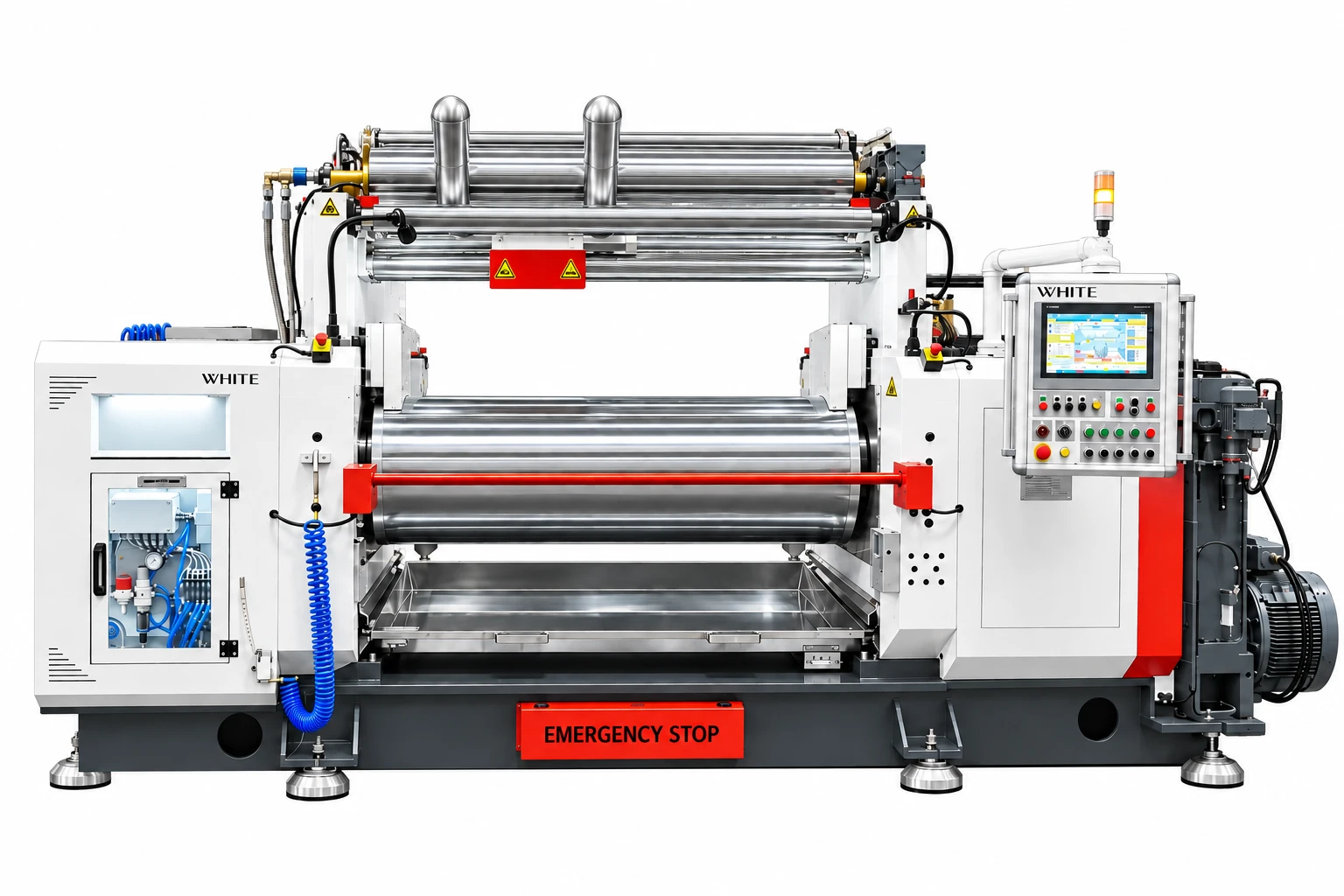
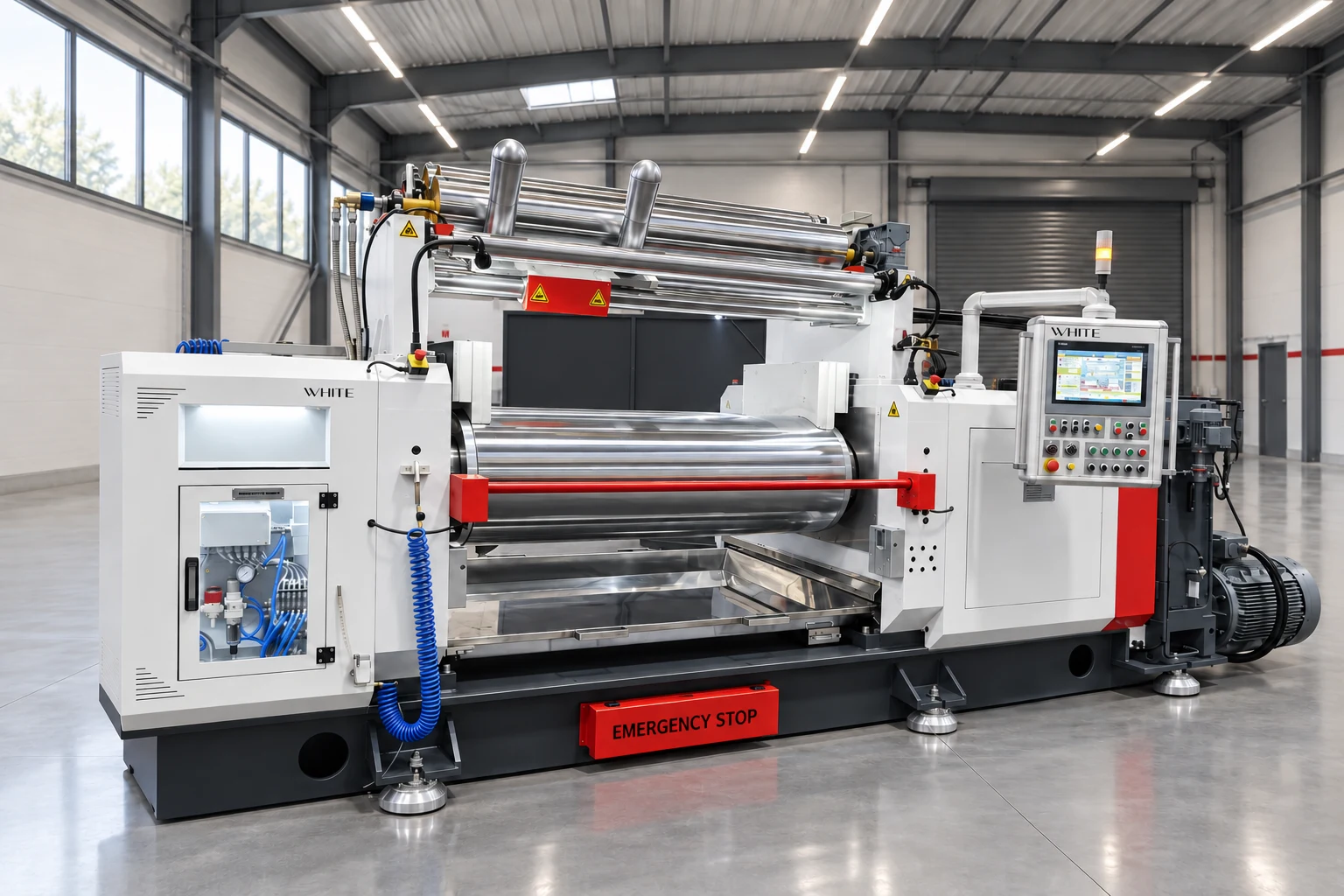
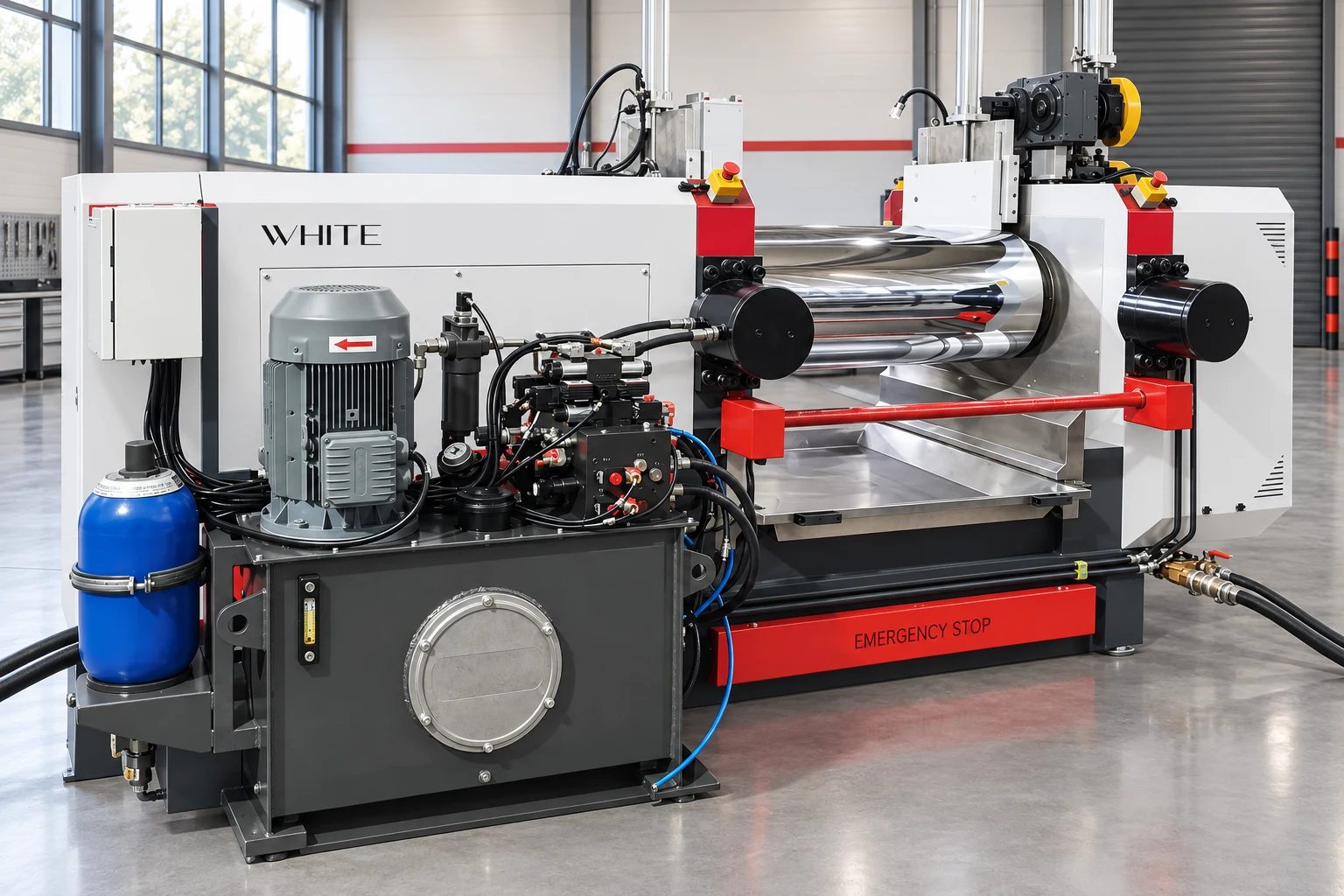
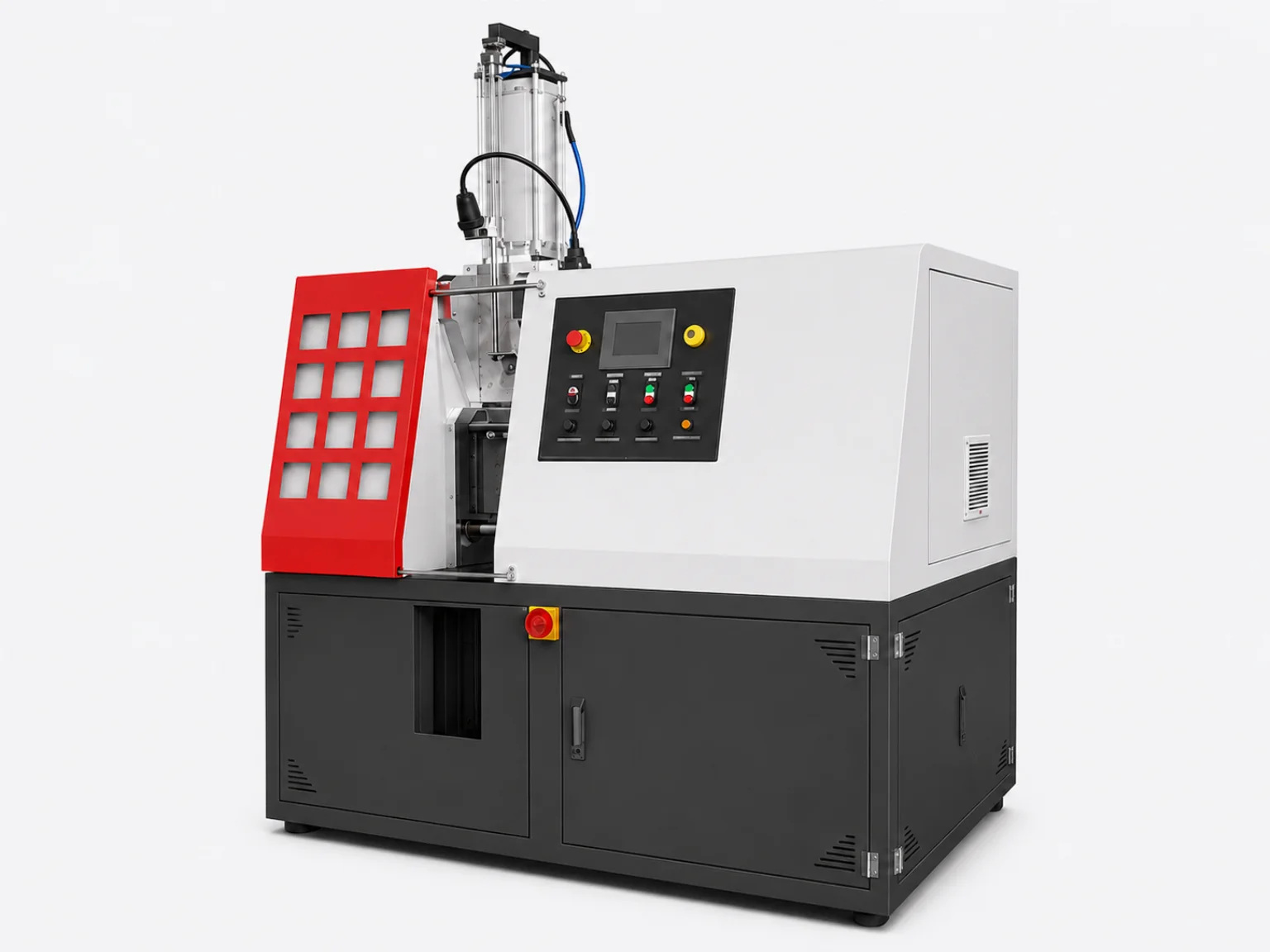
Roll construction, material and finish are selected around the compound, temperature, wear and cleaning requirements. Customization alternatives include forged steel or chilled cast iron and polished or chrome-plated surfaces, according to the agreed design.
Temperature and cooling
Peripheral cooling passages, separate water circuits, rotary unions and compound-temperature monitoring can be specified. Where heating is needed, the suitability of a liquid medium or electric heating and a temperature-control unit is established for the application.
Drive, speed and friction ratio
Review a single drive or independent roll drives, gear reducers, variable-frequency control and shaft transmission. A dedicated hydraulic-drive configuration can also be assessed. Speed, torque and friction ratio are defined from the material and duty cycle.
Roll-gap adjustment
Define manual, electromechanical or hydraulic gap adjustment, with digital position feedback and recipe settings where specified. Adjustment under load and emergency opening require a coordinated mechanical, control and safety design.
Stock guidance and recirculation
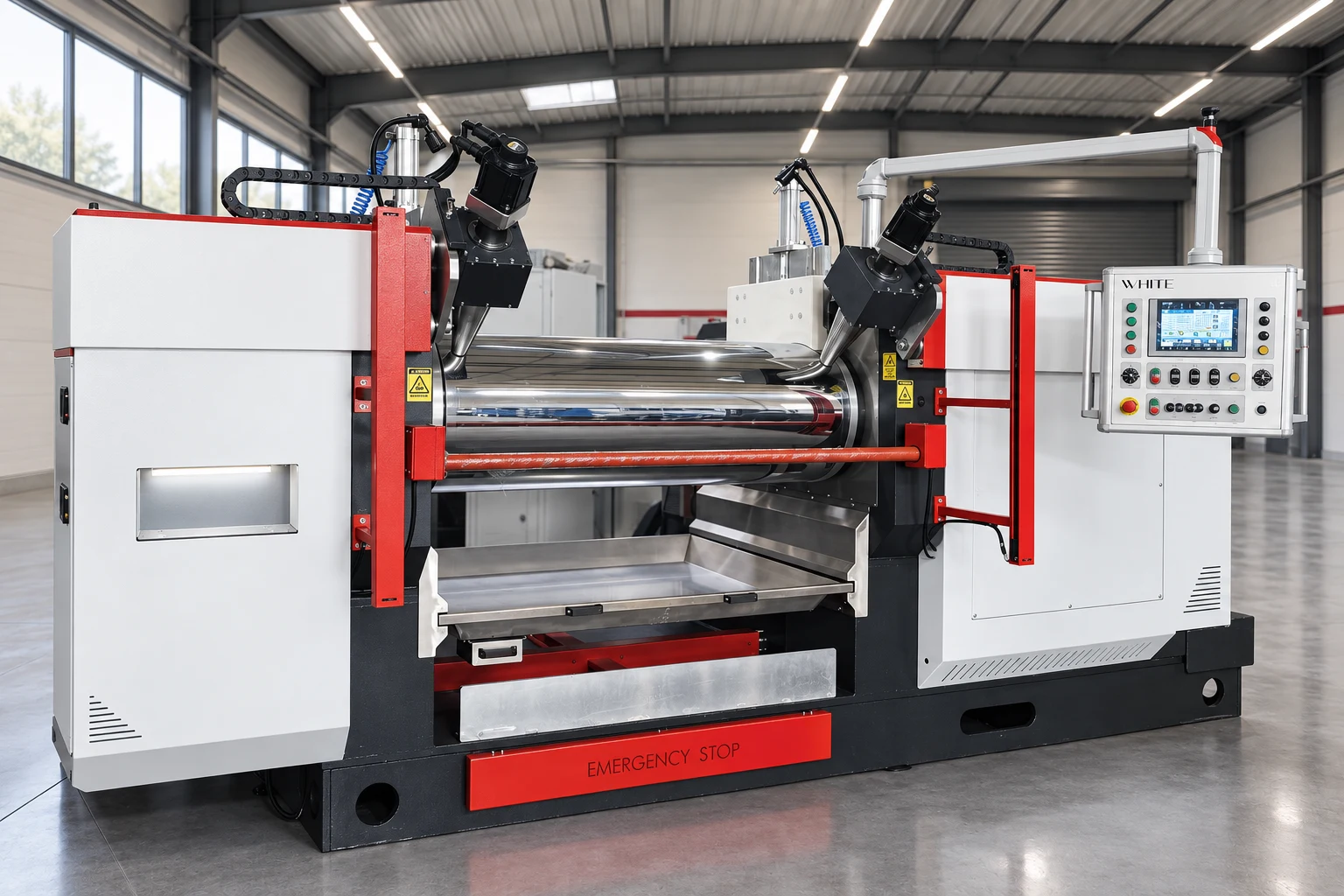
Options include adjustable stock guides, hydraulic guide movement, an overhead stock blender or automated recirculation arms. Selection depends on material behavior, working width and feeding method; these are configuration alternatives rather than mandatory equipment on every mill.
Bearings, lubrication and maintenance
Review bearings, service points, centralized or automatic lubrication and access to connections and wear parts. The layout must allow drive servicing, tray cleaning and component replacement.
Controls and process records
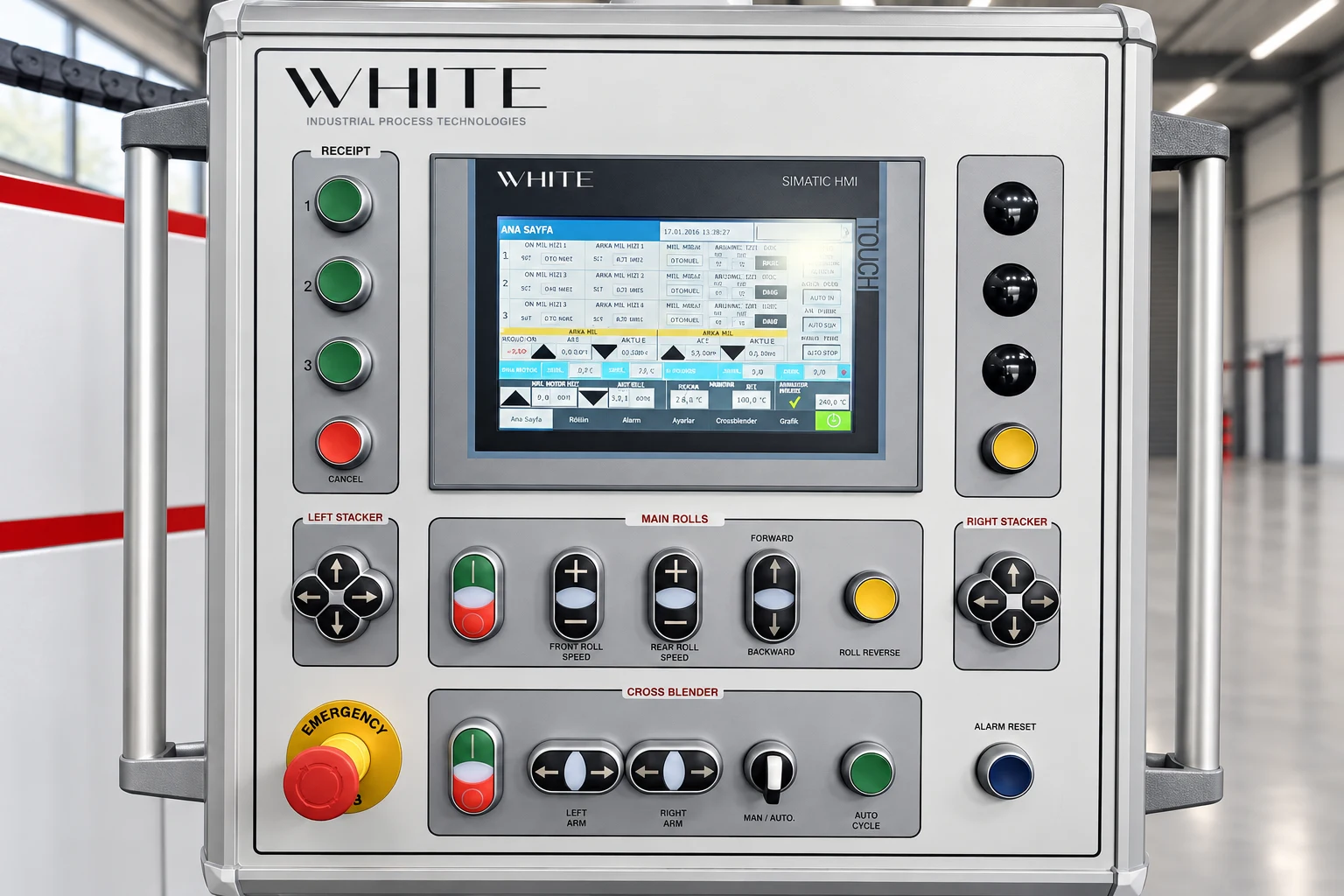
Specify PLC/HMI controls, recipes, access levels, alarms and batch records for temperature, speed and gap according to installed sensors. Remote monitoring, factory-data interfaces, cloud connectivity and analytics form a separately defined, secured integration scope.
Safety within the design
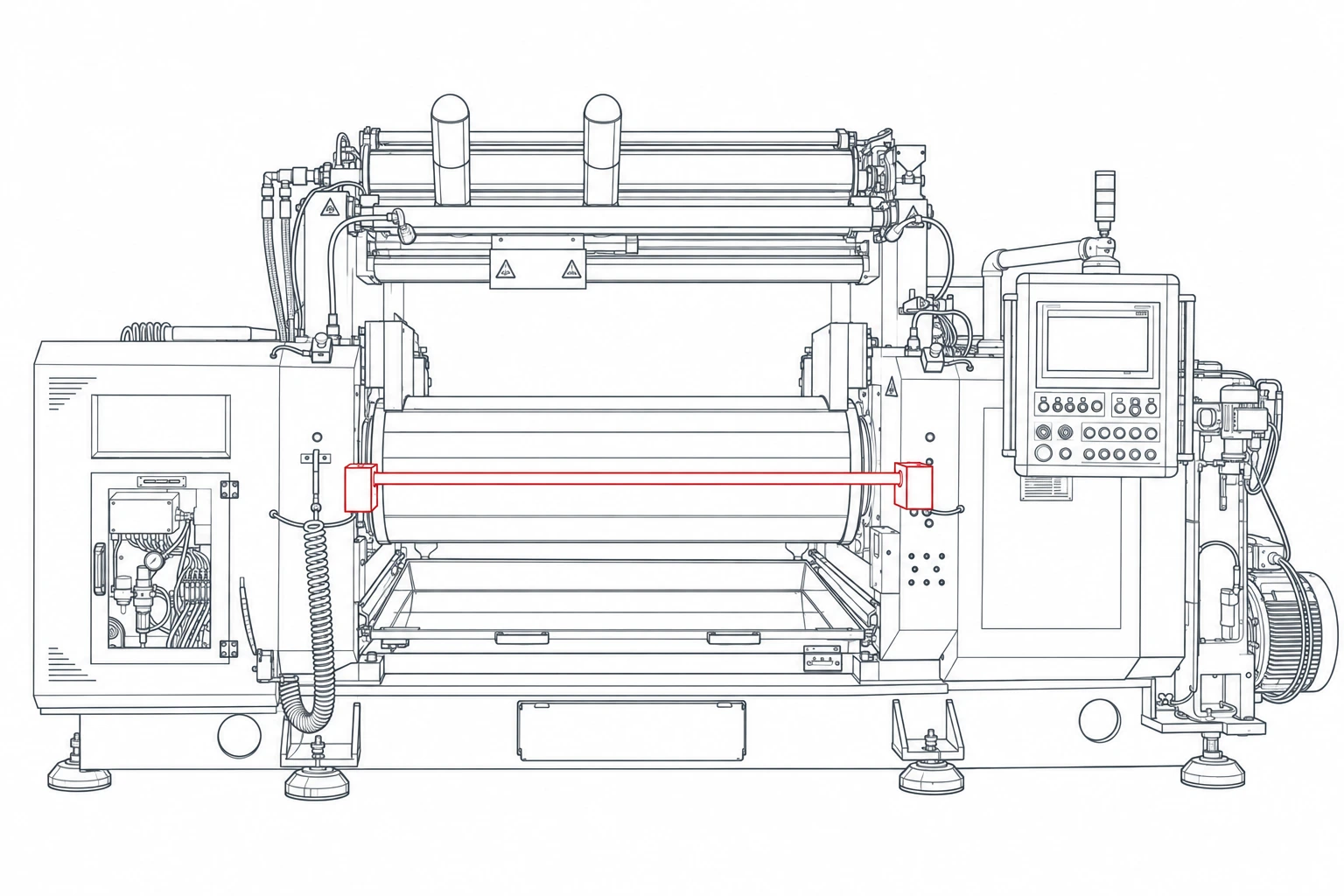
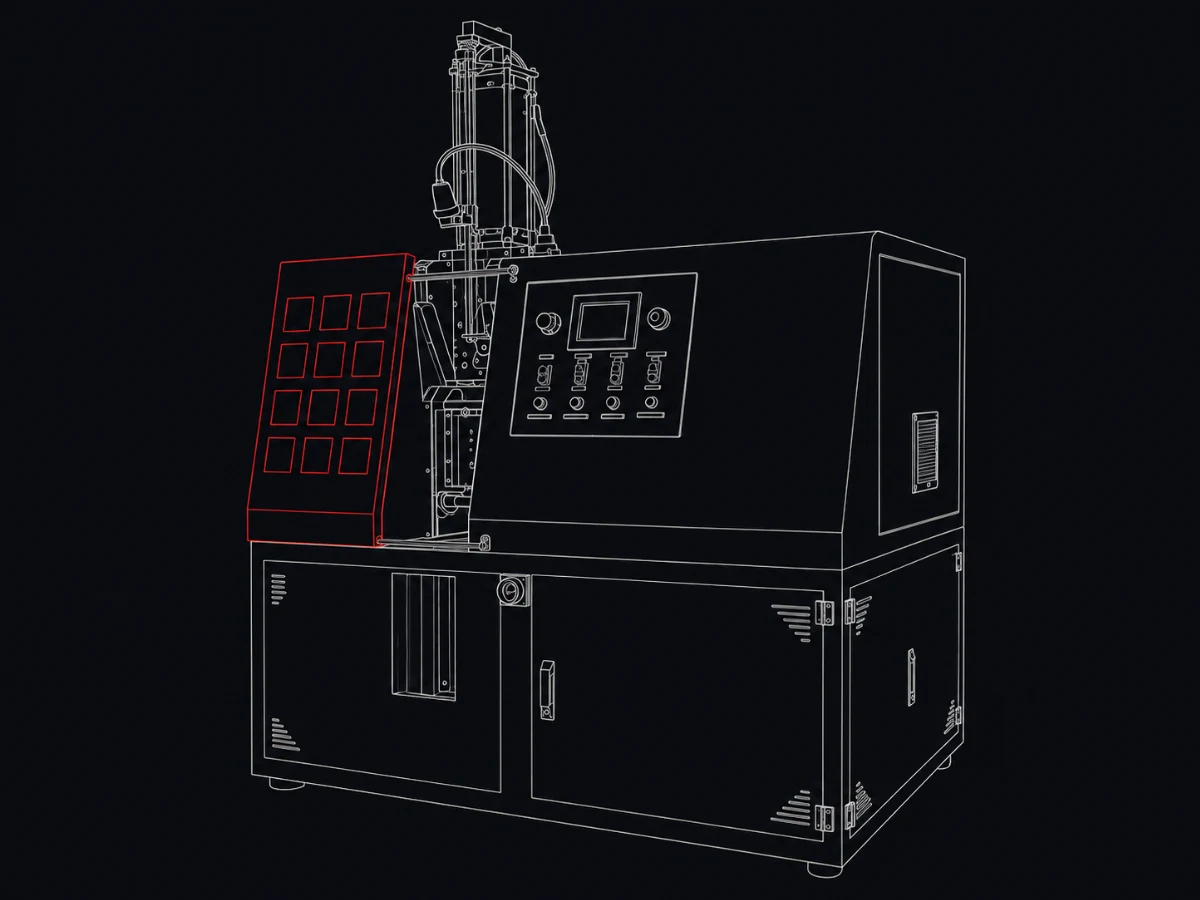
Safety starts with the risk assessment and intended use: access to nip points, emergency stops, braking, guards, interlocks and prevention of unintended restart. Destination-market requirements, conformity documentation and inspection are defined for each machine before handover. Applicability of EN 1417:2023 for two-roll-mill safety is reviewed within the project requirements.
Feeding and sheet discharge
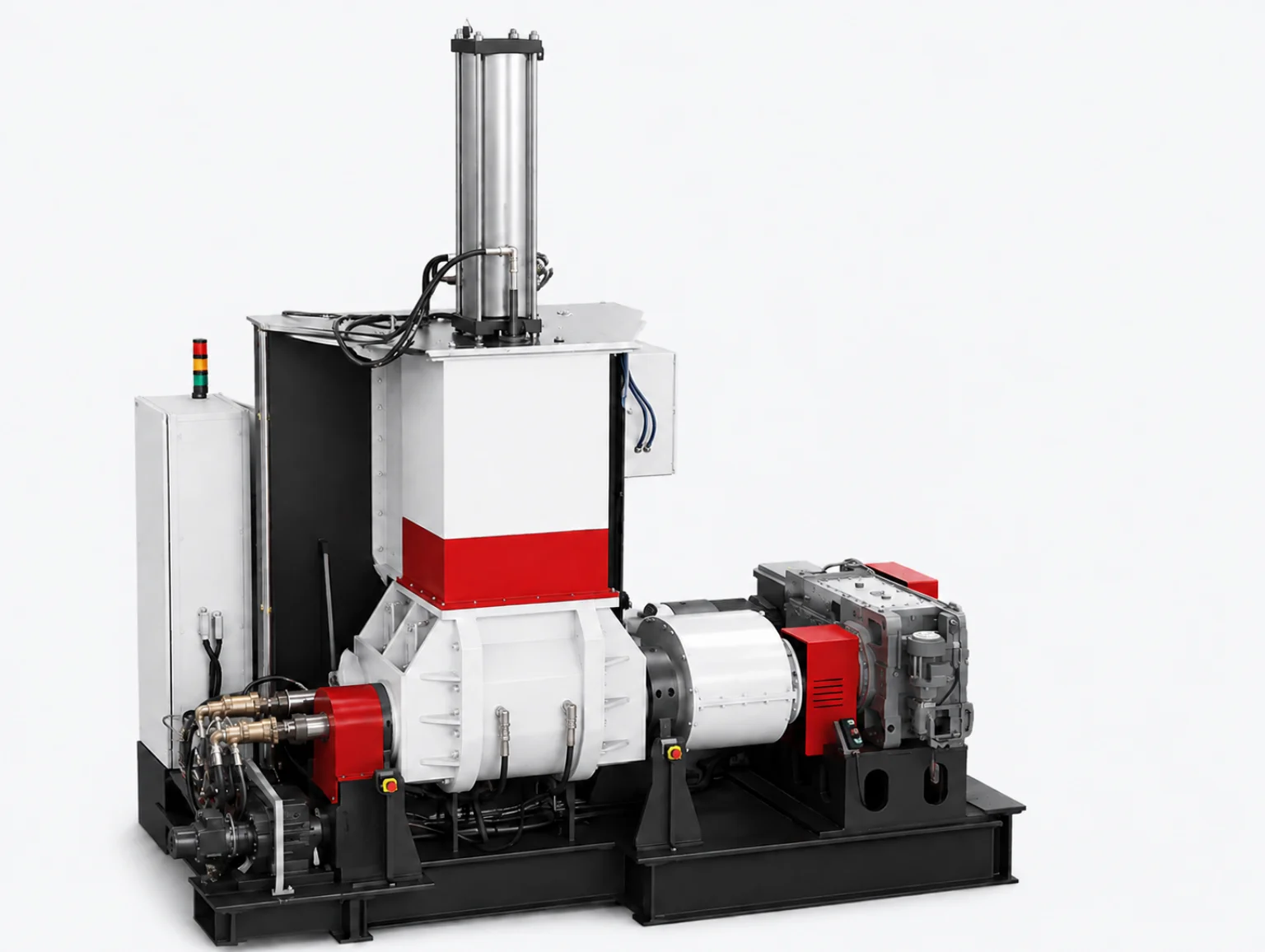
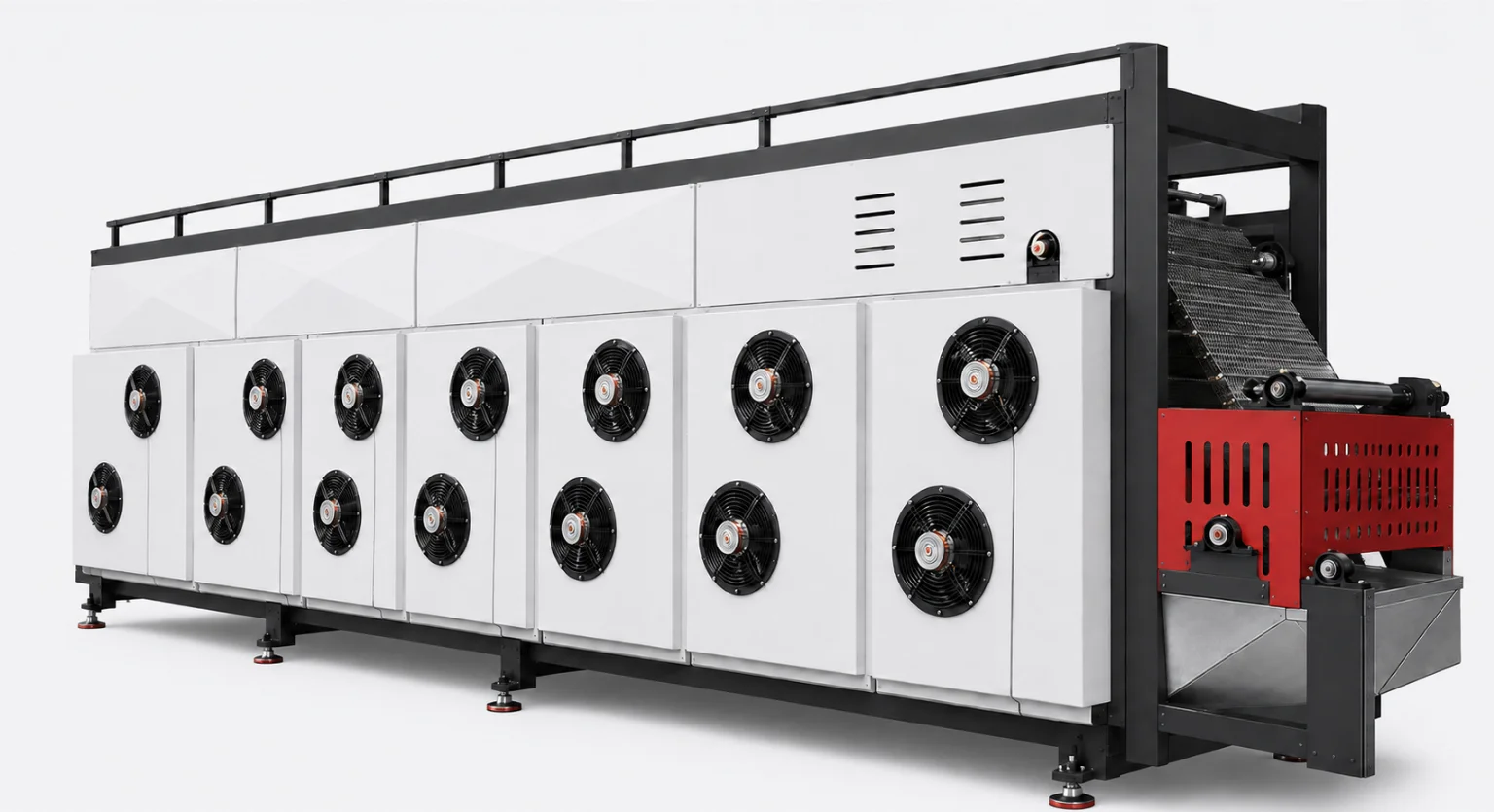
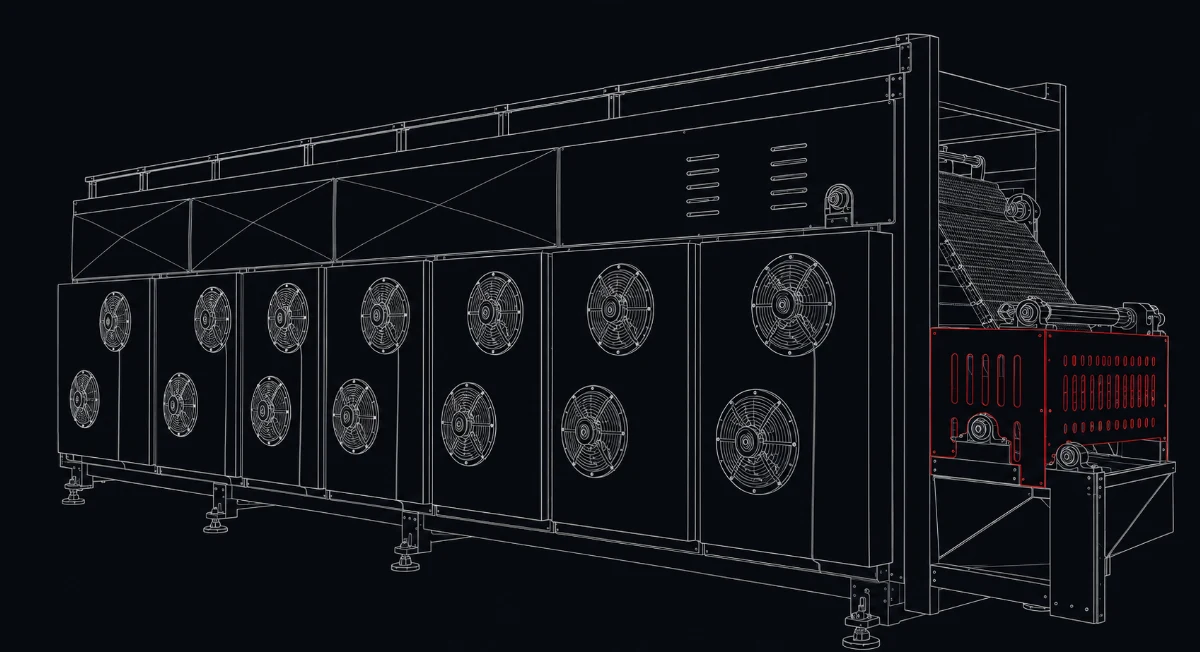
Assess batch handling, feeding from a mixer or conveyor, sheet guidance, cutting, take-off and connection to cooling equipment. Transfer heights, flow direction and interlocks with adjacent equipment are defined in the line layout.