Compare the process, not just the label
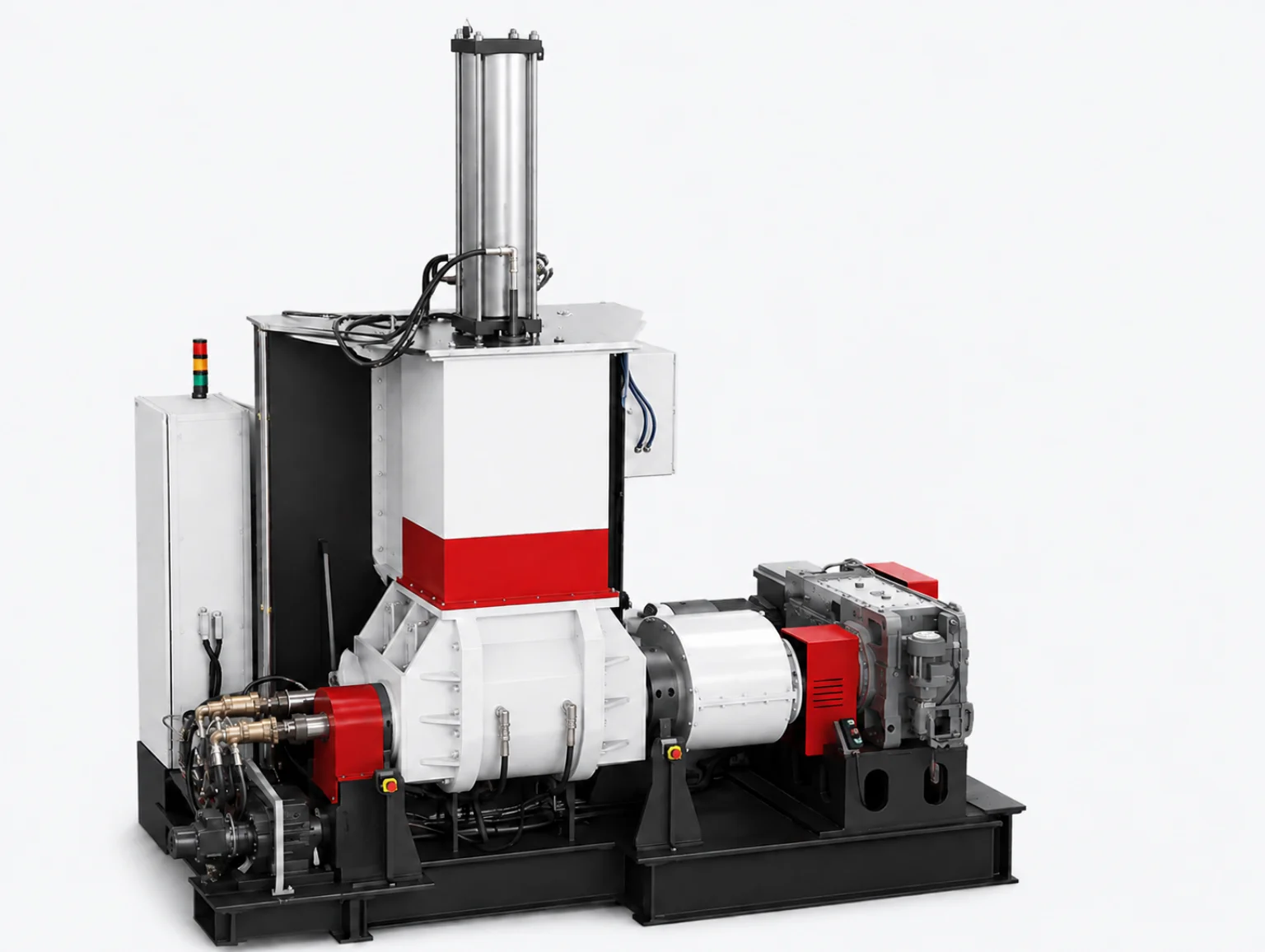
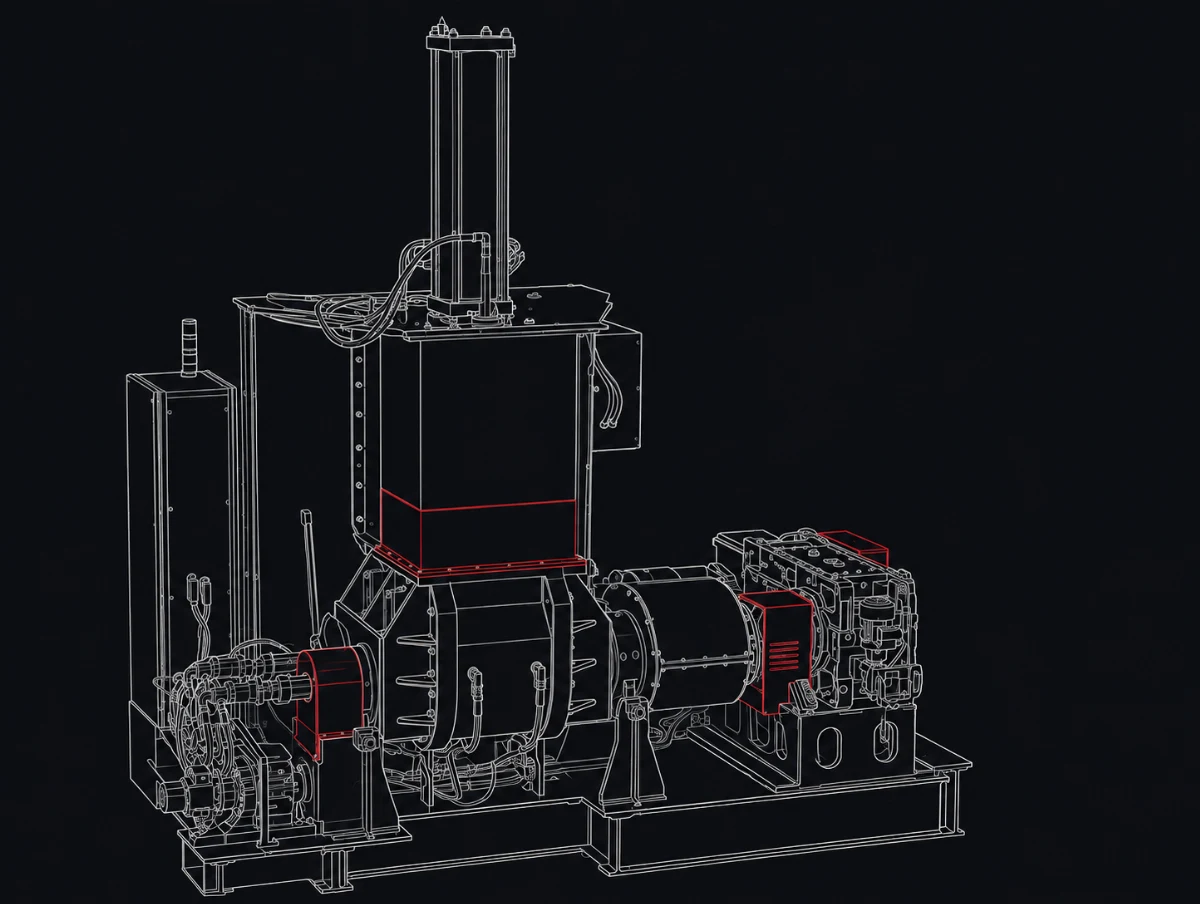
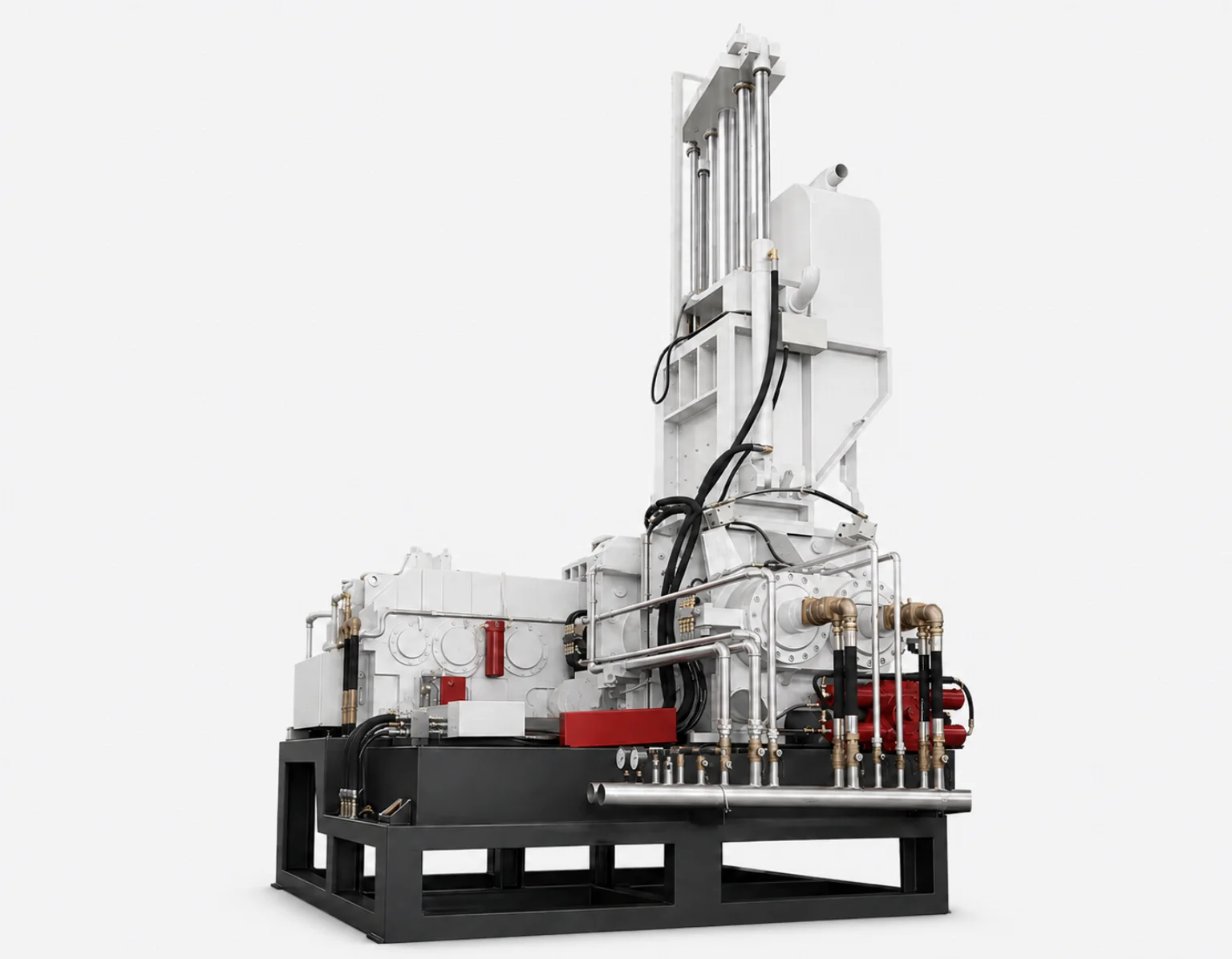
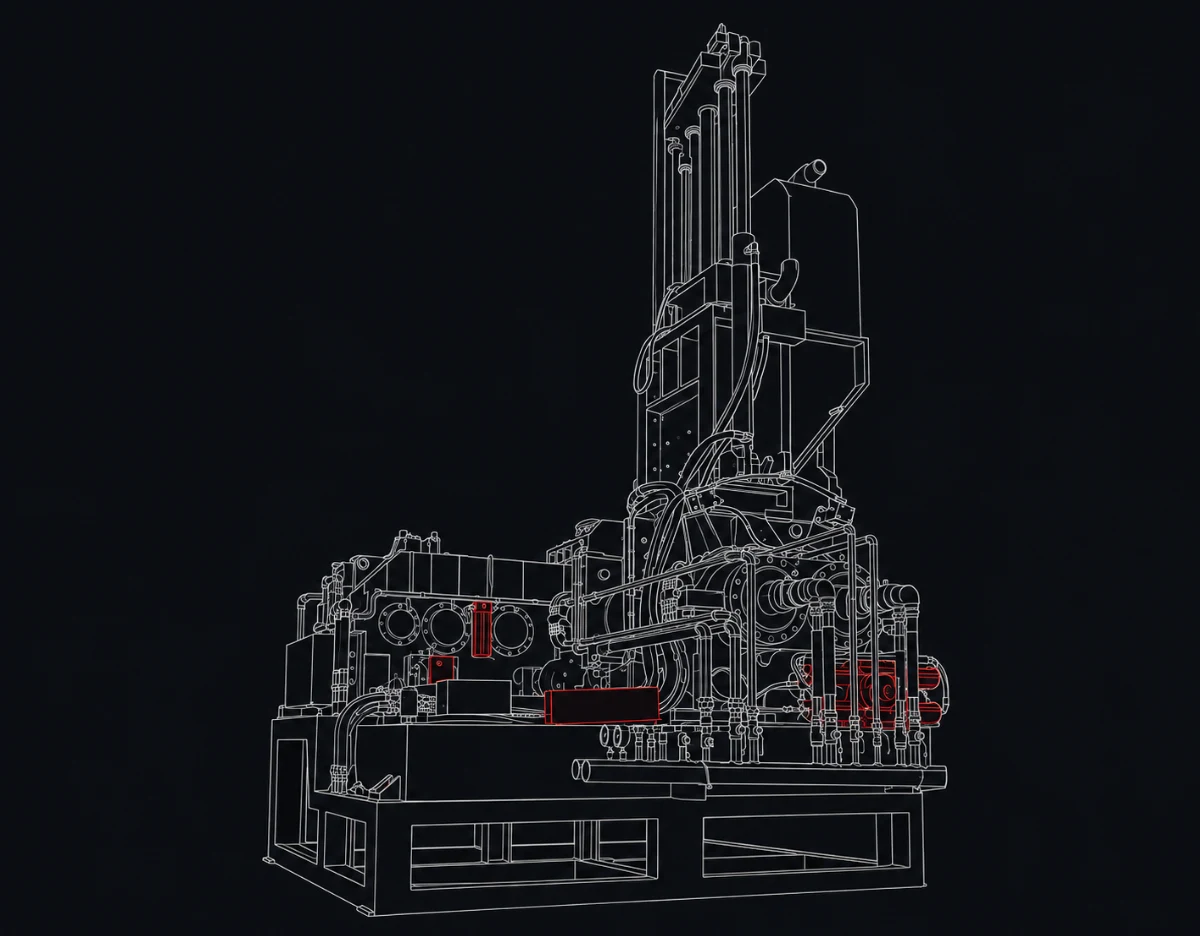
Internal mixers and kneaders are both discussed for enclosed-chamber mixing. The useful comparison is the proposed equipment configuration for your material and sequence. Do not infer that two machines are equivalent because their descriptions use similar words.
Use the same comparison questions
Provide the same material description, batch requirements and temperature conditions when requesting alternatives. Compare loading and discharge arrangements, connection to the next stage, site needs and the control scope. Keep the distinction between confirmed technical values and options under review.
Choose against your acceptance criteria
The better fit is the configuration supported by your requirements and the agreed review evidence. State what the project needs to demonstrate and which documentation is expected. WHITE can discuss the K and I families in the same technical enquiry without assuming one is universally superior.
A practical comparison sheet
Use one sheet for both proposals. Put the project requirement beside the supplier’s response, and keep a separate column for information awaiting confirmation.
| Comparison area | Question to resolve |
|---|---|
| Material | Is the same compound and intended duty being evaluated? |
| Batch | Are units, working requirements and output targets distinguished? |
| Sequence | How do loading, mixing and discharge fit the process? |
| Interfaces | What connects to the machine before and after mixing? |
| Documentation | What confirms the proposed scope and acceptance basis? |
| Service | What is included in installation, training and follow-up? |
This approach prevents a comparison of unlike configurations. If one proposal includes more equipment or services, separate that difference from the choice of mixing technology.
Avoid the universal winner question
An illustrative enquiry might ask whether to retain a current line arrangement or redesign the mixing stage around a different configuration. The useful answer must address the material, site and interfaces in that enquiry. It cannot be reached by declaring one family better in every application.
Ask the technical team to explain the reasons for the proposed choice, the assumptions behind it and what remains to be verified. Record those points beside the configuration. A decision supported by a consistent brief and review evidence is more useful than comparing isolated claims about power, size or productivity without a common operating basis.